Learn Top 4 Tax Optimization Strategies for Dubai Real Estate Investors

Dubai’s real estate market shines as a beacon for global investors, and much of its appeal lies in a remarkably favorable tax environment. For those looking to grow their wealth through international property, understanding the specific benefits available is essential. When exploring the tax advantages for foreign investors buying property in Dubai, it becomes clear how these policies can significantly enhance returns and provide long-term financial security. We will guide you through the key incentives, from tax-free rental income to exemptions on capital gains, and show how you can leverage these perks in some of Dubai’s most promising neighborhoods.
#1: Tax-Free Rental Income
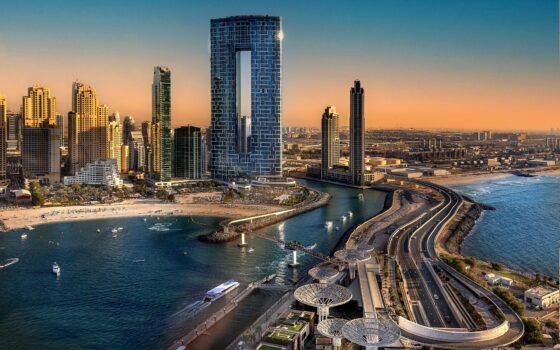
One of the most compelling benefits is Dubai’s zero personal income tax policy, which directly applies to rental earnings. This means that any income you generate from leasing out your property remains entirely untaxed. For instance, if you own an apartment in a high-demand area like Jumeirah Residences, the full rental yield you receive goes straight into your pocket. There are no deductions or declarations for personal income tax on this revenue. This policy allows you to maximize cash flow, reinvest more freely, and achieve stronger overall returns compared to many other global markets.
#2: No Capital Gains Tax on Property Appreciation
Another powerful incentive is the exemption from capital gains tax when you sell your property. In numerous countries, selling real estate for a profit triggers a significant tax liability. Dubai does not impose a federal capital gains tax on property sales. Imagine purchasing a villa in Motor City for AED 2 million and selling it years later for AED 2.8 million. The AED 800,000 profit would typically be entirely yours to keep. It is important to note that while there is no broad capital gains tax, investors should always stay informed about any updated regulations or transactional fees.
#3: Favorable VAT and Transaction Cost Structures
Dubai’s tax system is designed to encourage real estate investment through additional layers of financial efficiency. While the UAE has a standard Value Added Tax (VAT) rate of 5%, residential property sales and long-term leases are exempt. This exemption reduces the cost of acquiring and holding property. The primary transactional cost is a one-time property registration fee, typically 4% of the purchase price, paid to the Dubai Land Department. Crucially, there are no annual property taxes, which makes long-term ownership exceptionally cost-effective and simplifies financial planning for investors.
#4: Strategic Location Choices to Maximize Benefits
To fully capitalize on these tax advantages for foreign investors buying property in Dubai, selecting the right location is key. Established, high-value areas like DIFC (near WTC) offer premium rental returns and stability, making them ideal for generating tax-free income. For investors focused on capital appreciation, emerging zones such as Dubai South, Expo City, and Dubai Land Residence Area (DRA) present strong growth potential. These areas are benefiting from new infrastructure and economic diversification efforts, which can drive property value increases untaxed by capital gains.
Simplify Your Investment with Expert Guidance
While Dubai’s tax landscape is highly advantageous, navigating property selection, legal frameworks, and market timing requires expert local knowledge. This is where partnering with a specialized firm becomes invaluable. Knight Knox offers deep expertise in the Dubai market, providing clients with tailored investment opportunities and guidance through every step of the process. Our team ensures you not only understand the tax advantages for foreign investors buying property in Dubai but also how to integrate them into a successful wealth-building strategy.
Ready to leverage Dubai’s exceptional tax environment for your portfolio? Contact Knight Knox today to explore personalized investment opportunities that align with your financial goals.
While Dubai’s tax environment is undoubtedly investor-friendly, the true art lies in aligning these advantages with the right property in the right location. Navigating emerging areas, understanding developer reputations, and timing your entry point are where local expertise becomes your most valuable asset.
This is the precise value Knight Knox delivers. We move beyond basic information to provide actionable market intelligence. . Our team ensures you not only understand the tax advantages for foreign investors buying property in Dubai but also how to integrate them into a successful wealth-building strategy. We identify off-plan and ready properties in high-growth corridors that maximize your potential for both tax-free rental income and appreciation.
Imagine building a portfolio where every decision is informed by on-the-ground insight. That’s the partnership we offer.
Ready to transform Dubai’s tax benefits into your tangible financial growth? Connect with Knight Knox for a personalized consultation and unlock a curated selection of investment opportunities designed for global investors. Your strategic entry into the market starts here.
Frequently Asked Questions
Do foreign investors pay any annual taxes on Dubai property?
No, Dubai does not levy annual property taxes on ownership. The main cost is a one-time 4% registration fee during purchase. This makes it incredibly cost-effective to hold property long-term without recurring tax burdens.
Is rental income really tax-free for foreign investors in Dubai?
Yes. Dubai has no personal income tax, so all rental income you earn from your investment property is entirely tax-free. This allows you to keep 100% of your generated rental yield.
Are there any hidden taxes when selling property in Dubai?
There is no federal capital gains tax on property sales. However, it is advisable to consult with a professional regarding any potential administrative fees or changes in regulations to ensure a fully compliant transaction.